The Custom Reminder You Didn't Know You Needed (But Totally Do!)
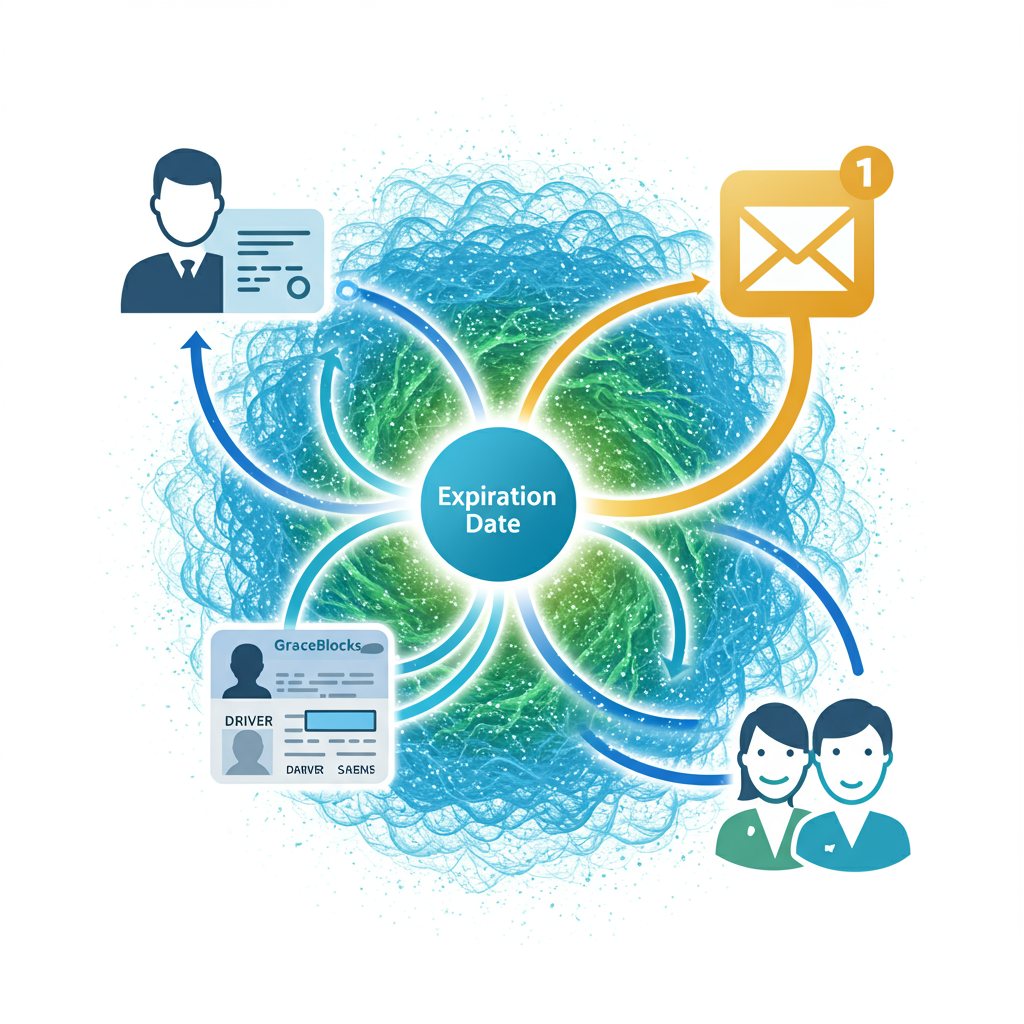
We've all been there, right? Drowning in spreadsheets, sticky notes plastered everywhere, and that nagging feeling that something important is about to slip through the cracks. Especially in HR, where you're juggling employee records, compliance deadlines, and a million other details. It's easy to miss things.
Think about driver's license expirations. Or professional certifications. How much time do you spend manually tracking those dates? Calling employees to remind them to renew? Chasing down documentation? It’s a pain, and honestly, your time is way better spent on strategic HR initiatives, not clerical tasks.
So, what if you could automate that process? What if you could set up a system that automatically reminds employees (and HR) a week or two before a crucial document is about to expire? Imagine the peace of mind! No more last-minute scrambles, no more compliance headaches. Just smooth, automated workflows.
Your Goal: No More Missed Expirations!
Let's set a goal: create an automated reminder system that notifies employees and HR one week before a driver's license or certification expires. This means fewer compliance issues, happier employees (who appreciate the heads-up!), and more time for you to focus on the stuff that really matters.
Here's How You Can Make It Happen:
- The Foundation: A Date Field. Start with a good base - you need to have a database or a way to store employee records. Within each record, make sure you have a 'Expiration Date' field for licenses, certifications, etc. This is your trigger.
- The Workflow: 'If This, Then That' Logic. This is where the magic happens. You need a way to automate notifications based on that 'Expiration Date.' Think of it as setting up a simple rule: If the 'Expiration Date' is within one week, then send an email.
- Craft the Email. Write a clear, concise email to the employee. Include the expiration date, the document name, and instructions on how to renew. Also, CC the HR department for their records. Something like: "Hi [Employee Name], this is a reminder that your [Certification Name] is expiring on [Expiration Date]. Please renew it as soon as possible and submit the updated documentation to HR."
- Automate the Sends. Setup automatic sending of the email notification and reminder 1 week before the date in the 'Expiration Date' field.
It sounds straightforward, right? The trick is finding a platform that lets you build this kind of automated workflow without needing a degree in computer science. That’s where no-code platforms come in.
Enter GraceBlocks
With a tool like GraceBlocks, you can actually *build* that system. No coding required! You can define your data structure (those employee records and 'Expiration Date' fields), create the 'If This, Then That' workflow, and even customize the email notifications. Think of GraceBlocks as the ultimate customizable database – you decide how it works, what it tracks, and how it communicates.
You can define the data structures, workflows, automated AI processing and integrate communication with email or SMS messaging. Take control of your data, automate the simple stuff, and free yourself to focus on the more complex, strategic parts of your job. You deserve it.


.jpg)
Comments
Post a Comment