Building Your "Good Enough" Applicant Tracking System Without Breaking the Bank
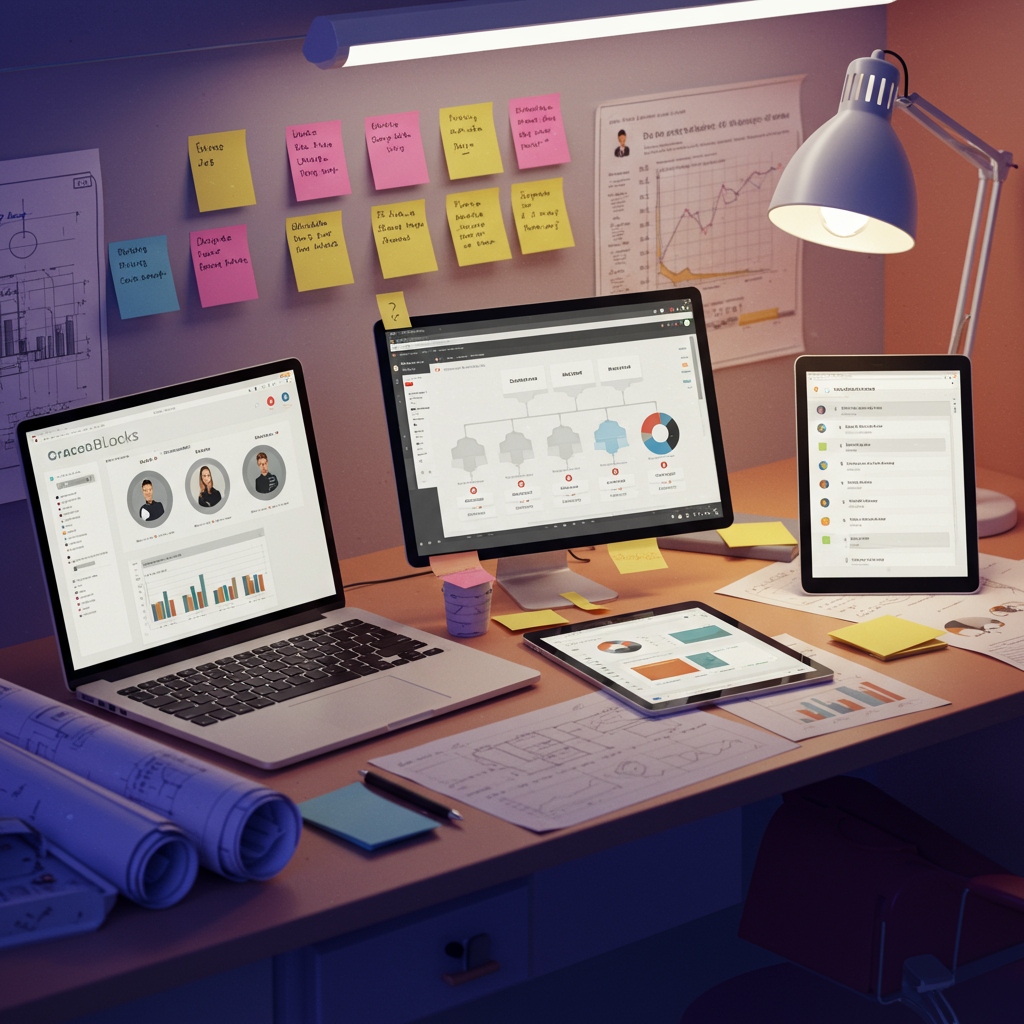
Okay, so you're hiring, but you don't have a fancy Applicant Tracking System (ATS). Maybe you're a small HR team or a startup. That doesn't mean you have to drown in a sea of resumes and scattered emails! You can build something functional – a "Good Enough" ATS – using tools you probably already have or can get pretty cheaply.
The problem is, without a system, chaos reigns. Resumes live in random folders. Email threads get lost. You're constantly asking, "Where are we with this candidate?" It's a massive time suck, and things slip through the cracks. Good candidates get forgotten. No one wants that. Think about it like trying to manage a construction project with sticky notes instead of proper blueprints. Possible? Sure. Efficient? Absolutely not.
Let's define our goal: Create a centralized, manageable system to track candidates from application to hire, without spending a fortune. The benefit? Sanity. Plus, better hires, faster, because you're not losing track of anyone. Imagine how much smoother your hiring process would be if everything was in one place, visible, and easily searchable. Think about the hours you'd save not digging through email.
Here's a process you can follow:
-
Job Board Postings: Treat your job boards as the entry point. Standardize the information you're collecting upfront. Make sure your job descriptions are clear and attract the right candidates. Use a consistent format for each posting.
-
Email Filters: Set up email filters in your inbox to automatically sort applications into dedicated folders (e.g., "Applications - Marketing Role," "Applications - Engineering Role"). This is basic, but crucial. Label those filters clearly! Think of it like sorting your physical mail into labeled trays instead of letting it pile up on the counter.
-
Central Hub: This is where the magic happens. You need a tool to manage the candidate pipeline, store resumes, track statuses (e.g., "Applied," "Phone Screen Scheduled," "Interviewing," "Offer Extended"), and log communication. This could be a spreadsheet… but honestly, that's going to get unwieldy fast. That's where a database solution comes in. This could be as simple as a series of connected data tables.
-
Standardize Communication: Create email templates for common communication scenarios: application received, interview invitation, rejection, etc. This saves you time and ensures consistent messaging. It's like having pre-written scripts for common customer service calls – efficient and professional.
Now, about that central hub… Spreadsheets work okay at first, but they're not designed for this. A more robust, and still cost-effective solution is a no-code platform. This is where GraceBlocks can be a game-changer. You can build a completely custom applicant tracking system tailored to your specific needs.
With GraceBlocks, you can define your data structure (candidate profiles, application details, interview notes), build workflows to automate tasks (like moving candidates through stages), and integrate communication directly from the platform (automatic email and SMS notifications). Plus, you can use its AI processing to automatically extract key information from resumes. It's like having a custom-built ATS, but without the massive development cost. You could configure it to manage your entire process, from initial application, through interviews and offer letters. You are in full control of the information being collected and displayed.
Building your own "Good Enough" ATS might seem daunting, but it's absolutely achievable with the right approach and tools. Don't let the lack of a dedicated system hold you back from finding the best talent. Start small, iterate, and watch your hiring process become dramatically more efficient.


.jpg)
Comments
Post a Comment