Connecting the Dots: Simple Strategies for Integrating Your Disparate HR Tools
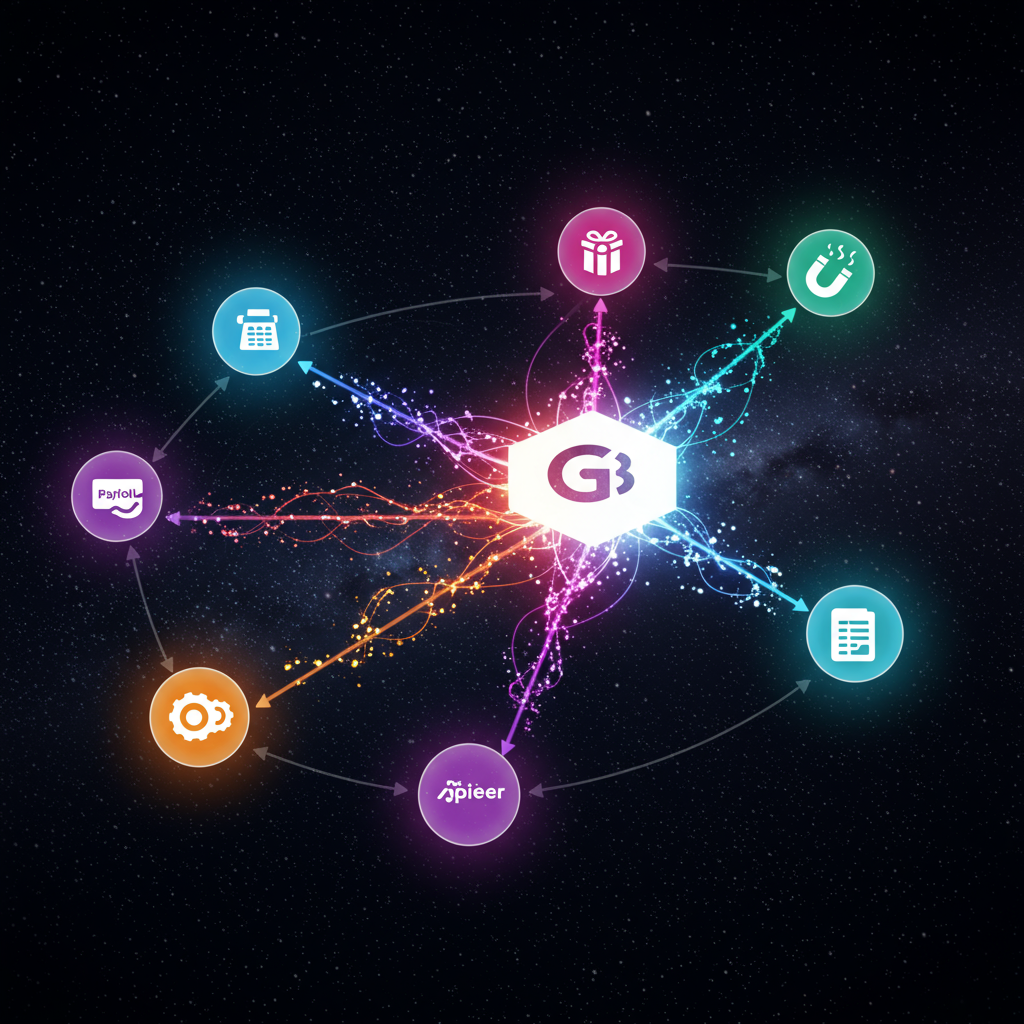
Okay, let's talk HR tech. Specifically, how small HR teams can keep their sanity when dealing with a Frankenstein-ian collection of systems that don't talk to each other. Sound familiar? I bet it does.
You've got payroll humming along in one place, benefits info living in another, and then a recruiting tool (or, gulp, a shared spreadsheet!) tracking candidates. It's a mess. Data silos are the enemy of efficiency, and in HR, efficiency is everything.
Think about it: how many times have you manually re-entered employee data? New hire info goes into payroll, then into the benefits portal, then *maybe* someone remembers to update the org chart. All that wasted time… it adds up. And let's not even mention the risk of errors creeping in during all that manual copying and pasting. Seriously, it's a nightmare.
So, what’s the goal here? We want to automate the flow of HR data between our systems, freeing up time for actual HR work (like, you know, supporting employees) and reducing those annoying, error-prone manual tasks. Imagine a world where a new hire in your recruiting system automatically creates an employee record in your payroll system. Bliss, right?
Here’s a simple process you can start with:
- Identify the biggest pain points: Where are you spending the most time on manual data entry? Which integrations would give you the biggest bang for your buck? Maybe it's onboarding new hires, or perhaps it's keeping benefits information up to date across systems.
- Low-Hanging Fruit: Zapier Automations: If your systems have Zapier integrations, this is a great place to start. Zapier is like the universal translator for the internet. It lets you connect different apps and automate tasks. Think of it this way: let's say you use BambooHR. BambooHR can be set up so that it can notify other applications when it updates, and those applications in turn can perform tasks. The possibilities are really endless.
- Disciplined CSV Import/Export: Okay, maybe Zapier isn't an option for everything. That's where CSVs come in. Establish a *strict* routine for exporting data from one system and importing it into another. This is less elegant than Zapier, but it's still a massive improvement over manual data entry. The key here is discipline. Set a schedule (e.g., every Monday morning) and stick to it. And for goodness sake, name those files clearly!
- Consider a Central No-Code Hub: This is where things get really interesting. Platforms like GraceBlocks let you build custom solutions to connect your disparate systems. Forget off-the-shelf software limitations. With GraceBlocks, you can define your own data structures, build workflows, and even integrate AI for automated processing. For instance, you could create a system that pulls data from your recruiting tool, automatically generates offer letters, and then pushes that data into your payroll and benefits systems. All without writing a single line of code. The best part is that GraceBlocks offers integrated communication with email or SMS messaging so you can reach your team directly from the platform.
Look, integrating HR tools can feel overwhelming, especially for small teams with limited resources. But by starting small, focusing on the biggest pain points, and leveraging no-code tools, you can make a real difference. Seriously, you'll be amazed at how much time you can save (and how much less stressed you'll be).
Give GraceBlocks a look. It might just be the key to unlocking HR automation bliss for your team.


.jpg)
Comments
Post a Comment